

Buying your first perfume can feel overwhelming. With hundreds of fragrance brands, different perfume concentrations, and countless scent families available, it’s easy to become confused about where to start. Many beginners purchase a perfume simply because it’s popular or because someone else recommended it. Unfortunately, this often leads to disappointment because a fragrance that smells amazing on one person may smell completely different on another.
A good perfume should match your personality, lifestyle, and preferences. Understanding the basics before making a purchase helps you avoid expensive mistakes and makes it easier to find a fragrance you’ll genuinely enjoy wearing.
This Perfume Buying Guide for Beginners will explain everything you need to know—from understanding fragrance notes to choosing the right perfume concentration—so you can shop with confidence.
Perfume is a blend of fragrance oils, alcohol, and water designed to create a pleasant scent that develops over time. High-quality perfumes contain carefully balanced ingredients that reveal different layers as they interact with your skin.
Unlike body sprays or deodorants, perfumes are made to provide a longer-lasting and more complex fragrance experience.
Most perfumes contain three essential components:
The percentage of fragrance oil determines how strong and long-lasting a perfume will be.
One of the first things beginners should learn is the difference between perfume concentrations. The concentration affects both longevity and price.
Parfum has the highest concentration of fragrance oils, making it the longest-lasting option.
Best For:
Eau de Parfum offers an excellent balance between longevity and value. It usually lasts 6–8 hours, making it one of the most popular choices.
Best For:
EDT is lighter and fresher than EDP. It typically lasts 3–5 hours and is ideal for warmer weather.
Best For:
Eau de Cologne has a lower concentration of fragrance oils and provides a refreshing scent for a short period.
Best For:
Every perfume belongs to one or more fragrance families. Understanding these families helps you discover the scents you’ll enjoy most.
Floral perfumes are among the most popular choices. They feature notes like rose, jasmine, peony, lily, and orchid.
Perfect For:
Citrus perfumes include lemon, bergamot, orange, grapefruit, and mandarin.
They feel fresh, clean, and energetic.
Perfect For:
Woody perfumes often include sandalwood, cedarwood, vetiver, and patchouli.
These fragrances create a sophisticated and elegant impression.
Perfect For:
Oriental fragrances combine vanilla, amber, spices, and resins to create warm, rich scents.
Perfect For:
Fresh fragrances feature marine notes, green accords, herbs, and clean musk.
They feel crisp and refreshing.
Perfect For:
A perfume doesn’t smell the same throughout the day. Instead, it develops in three stages.
These are the first scents you notice immediately after spraying. They usually last 5–20 minutes and often include citrus, fruits, or light herbs.
Also known as the middle notes, they appear after the top notes fade and define the perfume’s main character. Common heart notes include rose, jasmine, lavender, and spices.
Base notes are the foundation of the fragrance and remain on the skin the longest. Typical examples include vanilla, amber, musk, sandalwood, and patchouli.
A perfume reacts differently on every person’s skin due to natural oils, body temperature, and skin pH.
For this reason:
This simple step can help you choose a fragrance that truly complements your body chemistry.
Choosing a perfume isn’t just about smelling good—it’s about expressing who you are. The right fragrance can boost your confidence, leave a memorable impression, and become part of your identity. Instead of following trends, choose a scent that reflects your personality and daily lifestyle.
Fresh fragrances are ideal if you enjoy clean, light, and refreshing aromas.
Look for notes such as:
These perfumes are perfect for daily wear, offices, and warm weather.
Floral perfumes are timeless and sophisticated.
Popular notes include:
These fragrances work beautifully for dinners, weddings, and special occasions.
Choose woody or amber-based perfumes with notes like:
These scents are excellent for evenings and cooler seasons.
Different occasions call for different fragrances. Building a small perfume collection allows you to always wear the right scent.
Daily fragrances should be clean, light, and not overpowering.
Recommended fragrance families:
These scents are comfortable for work, university, and casual outings.
Office fragrances should be noticeable without disturbing others.
Choose perfumes with:
Avoid fragrances with extremely heavy projection in professional environments.
Formal dinners and parties often suit richer fragrances.
Consider perfumes featuring:
These fragrances create a luxurious and long-lasting impression.
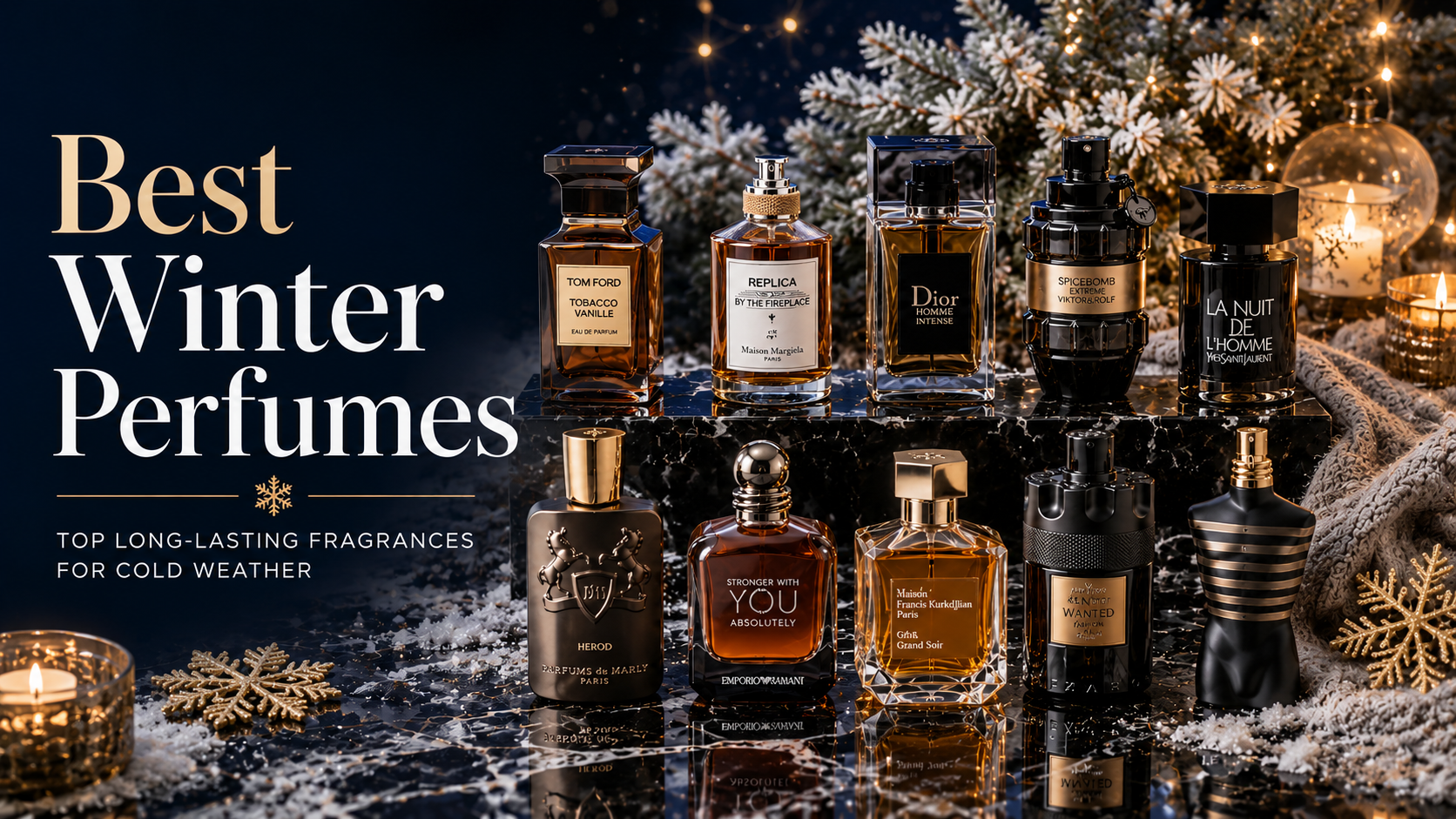
Weather has a significant impact on fragrance performance.
Choose:
These scents feel refreshing in hot weather.
Choose:
These fragrances feel warmer and last longer in cold temperatures.
Testing perfume properly helps you avoid expensive buying mistakes.
Spray the perfume once on a paper strip and allow the alcohol to evaporate for a few seconds before smelling it.
If you enjoy the first impression, move to skin testing.
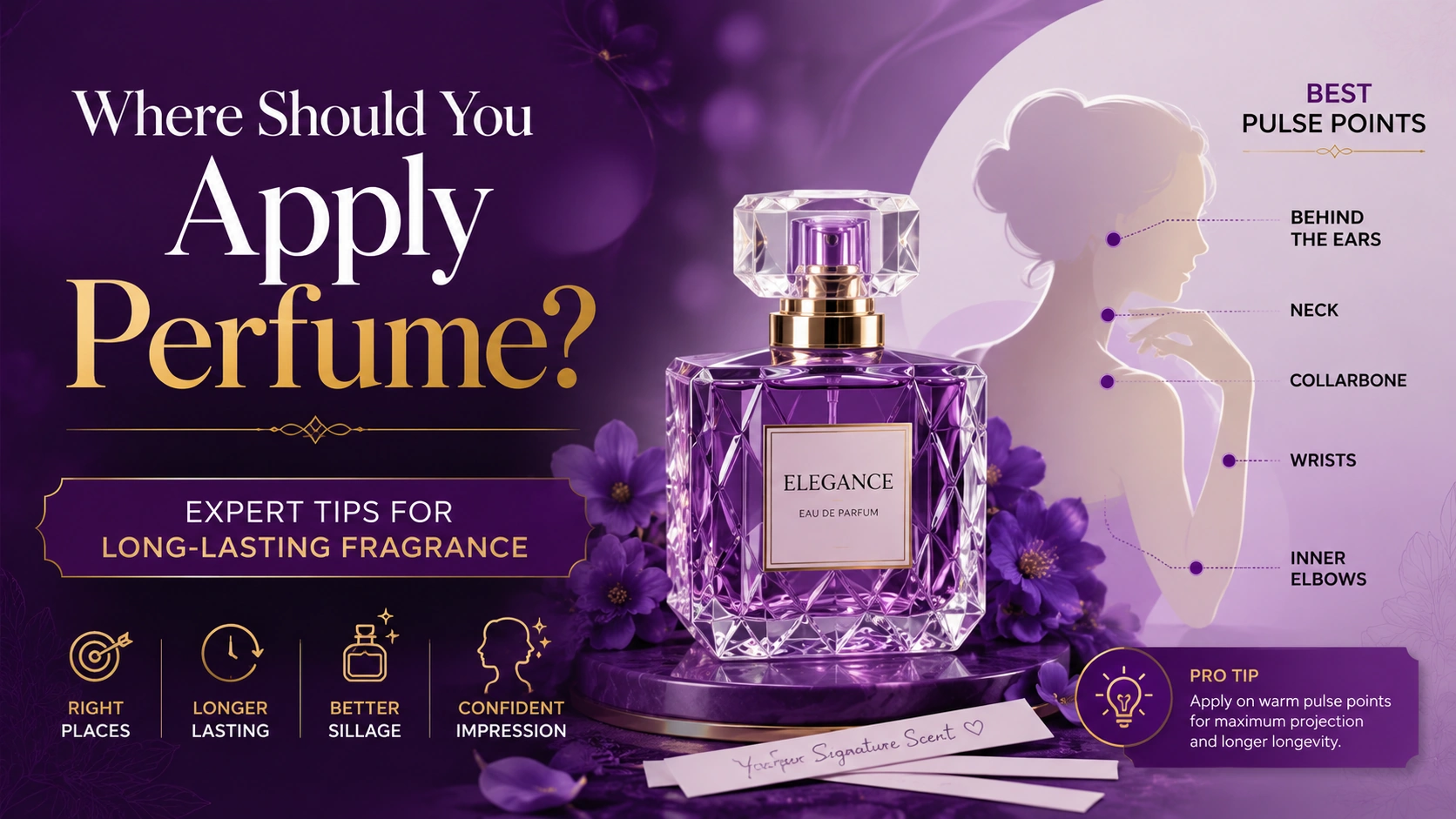
Spray the fragrance on your:
These pulse points provide the most accurate representation of how the perfume develops.
Never buy a perfume immediately after spraying it.
Instead:
Only then should you decide whether it’s the right fragrance.
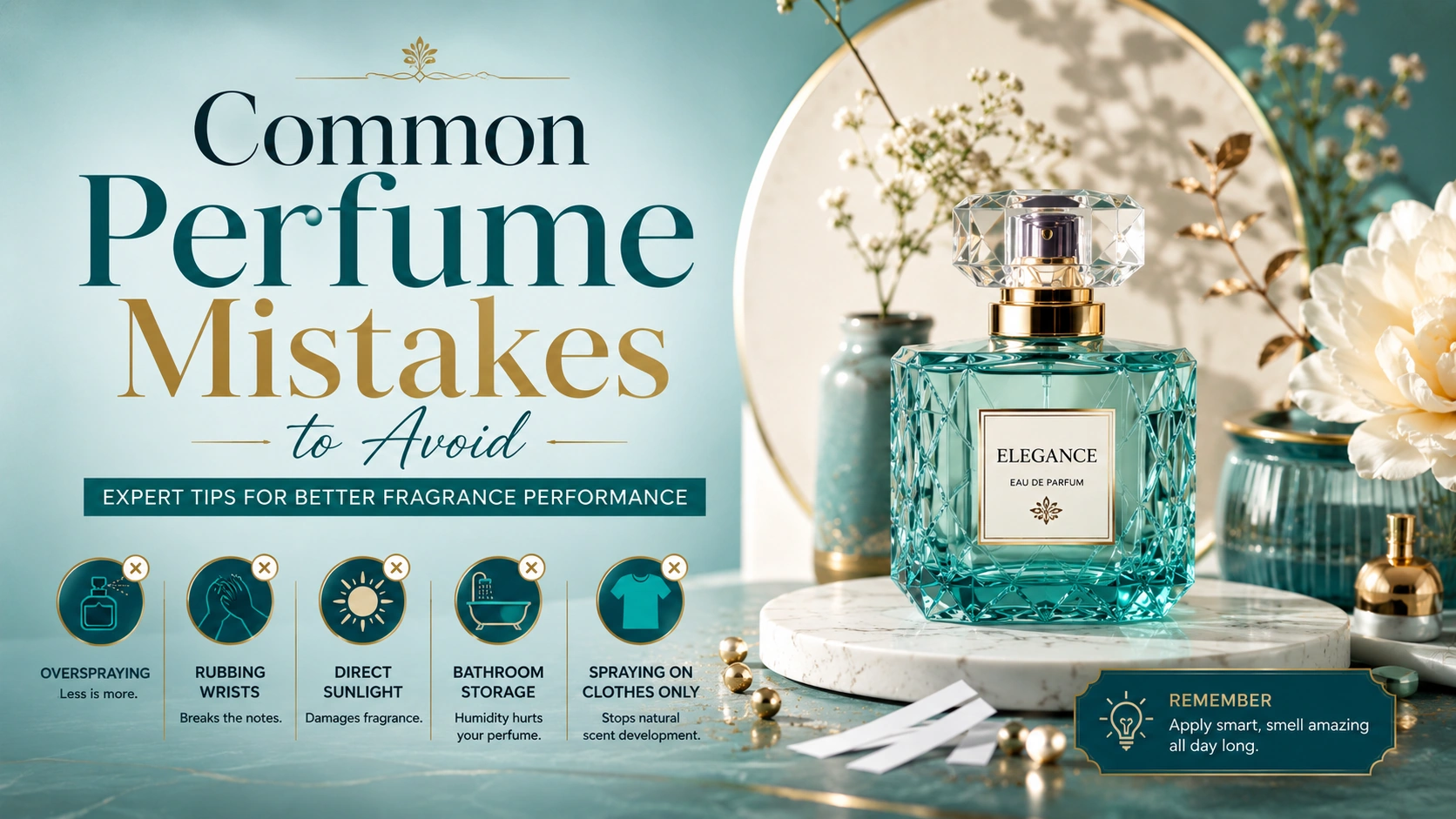
Avoiding these mistakes will save money and help you choose better fragrances.
A perfume that’s popular online may not suit your skin chemistry or personal preferences.
Always test before purchasing.
Many beginners buy the cheapest option without checking whether it’s:
Understanding concentration helps you choose the longevity you need.
Luxury packaging doesn’t always mean better performance.
Focus on:
Testing six or seven fragrances at once confuses your sense of smell.
Stick to two or three perfumes during one shopping trip.
Both options have advantages.
Pros
Cons
Pros
Cons
If you shop online, protect yourself by following these guidelines.
Choose:
Avoid unknown websites offering unrealistic discounts.
Reviews often reveal important information about:
If a luxury perfume is selling for an unusually low price, be cautious.
Extremely cheap prices can indicate counterfeit products.
Reliable retailers usually provide clear return and exchange policies.
Reading these policies before purchasing can save you time and money.
If you’re buying your first perfume, keep these recommendations in mind.
Choosing your first perfume often comes with many questions. Here are answers to some of the most common queries beginners ask before buying a fragrance.
There isn’t a single perfume that’s perfect for everyone. The best choice depends on your personal taste, lifestyle, and the occasions where you’ll wear it.
If you’re just starting your fragrance journey, choose perfumes with:
These fragrances are versatile and easy to wear in most situations.
For most beginners, Eau de Parfum (EDP) is the better option.
If you prefer lighter fragrances for hot weather, Eau de Toilette (EDT) is also a good choice.
You don’t need a large collection.
Start with two or three versatile perfumes, such as:
As your preferences develop, you can gradually expand your collection.
Longevity depends on the perfume concentration, your skin type, and the weather.
On average:
| Perfume Type | Average Longevity |
|---|---|
| Eau de Cologne | 2–3 Hours |
| Eau de Toilette | 3–5 Hours |
| Eau de Parfum | 6–8 Hours |
| Parfum | 8–12+ Hours |
Not necessarily.
While luxury perfumes often use higher-quality ingredients and more complex compositions, many affordable fragrances also offer excellent performance.
Instead of focusing only on price, consider:
Yes.
Skin chemistry plays an important role in fragrance performance.
Factors such as:
can all influence how a perfume smells and lasts.
That’s why you should always test a fragrance on your own skin before purchasing.
Before buying your next perfume, go through this quick checklist:
✅ Understand the perfume concentration.
✅ Identify your favorite fragrance family.
✅ Test the perfume on your skin.
✅ Wait for the heart and base notes to develop.
✅ Check longevity and projection.
✅ Compare two or three fragrances only.
✅ Buy from trusted retailers.
✅ Read customer reviews if shopping online.
✅ Choose a fragrance that matches your lifestyle.
✅ Buy a sample before investing in a full-size bottle if possible.
Following this checklist will help you make smarter buying decisions and avoid common beginner mistakes.
Buying your first perfume doesn’t have to be confusing. Once you understand fragrance families, perfume concentrations, scent notes, and proper testing techniques, choosing the right fragrance becomes much easier.
Rather than following trends or purchasing a perfume simply because it’s popular, focus on finding a fragrance that reflects your personality and fits your daily routine. A well-chosen perfume can boost your confidence, create lasting memories, and become part of your personal style.
Take your time, test fragrances properly, and don’t be afraid to explore different scent families. Every perfume tells a unique story, and with a little patience, you’ll discover the one that feels uniquely yours.
Whether you’re shopping online or in-store, this Perfume Buying Guide for Beginners gives you the knowledge to make confident and informed decisions.
Before buying your first perfume, remember these essential tips:
These simple steps will help you build a fragrance collection you’ll enjoy for years.
A great perfume is more than just a pleasant scent—it’s a reflection of your personality and a finishing touch to your style. As a beginner, understanding the basics of perfume shopping will save you time, money, and disappointment.
Use this guide whenever you’re ready to buy a new fragrance, and remember that the perfect perfume is the one that makes you feel confident every time you wear it.
Copyright © 2026 Embroze. All Rights Reserved.