
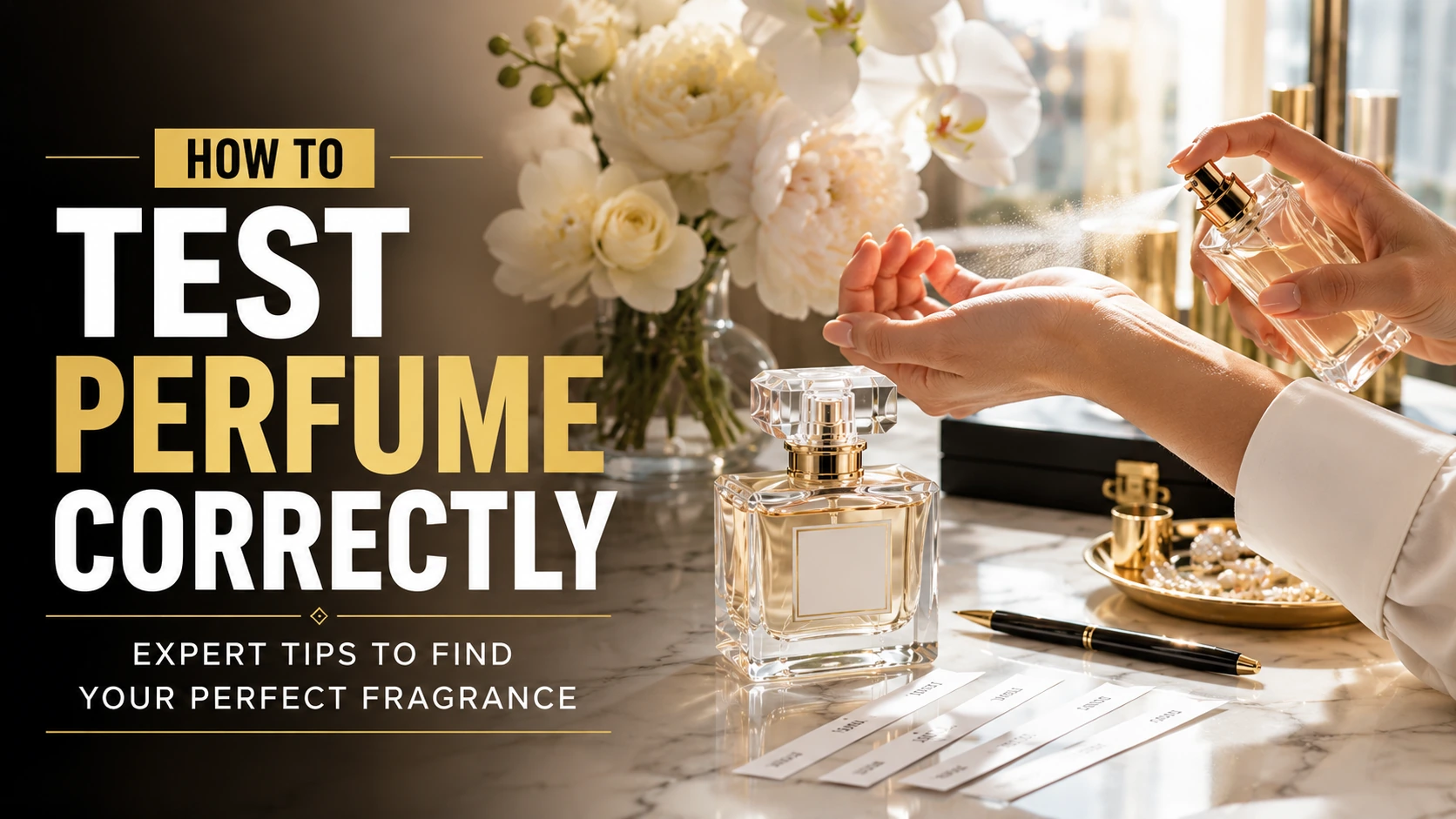
Buying a perfume without testing it properly can lead to disappointment. A fragrance that smells amazing on someone else—or even on a paper strip—may smell completely different on your skin. This happens because every person’s skin chemistry is unique.
Many people make the mistake of judging a perfume within the first few seconds after spraying it. In reality, a fragrance changes over time as its top, heart, and base notes develop. If you don’t give it enough time, you might overlook a perfume that could become your signature scent.
Learning how to test perfume correctly helps you understand how a fragrance performs throughout the day. It also saves money by reducing the chances of buying a perfume you’ll rarely use.
Whether you’re shopping at a perfume boutique or buying online after trying a sample, following the correct testing process ensures you choose a fragrance that truly suits your personality, lifestyle, and preferences.
Testing a perfume is about more than simply deciding whether you like the scent. It allows you to evaluate several important factors before making a purchase.
Perfumes evolve over time. The scent you notice immediately after spraying is only the beginning of the fragrance journey.
Testing allows you to experience every stage of the perfume, from the fresh opening to the rich and long-lasting base notes.
Some perfumes last only a few hours, while others stay noticeable all day.
Proper testing helps you answer questions like:
Projection refers to how far a fragrance can be smelled around you.
Testing helps determine whether a perfume is:
Luxury perfumes can be expensive.
Spending a little extra time testing a fragrance reduces the chances of purchasing something you’ll regret later.
Many buyers unknowingly test perfumes incorrectly, leading to poor purchasing decisions.
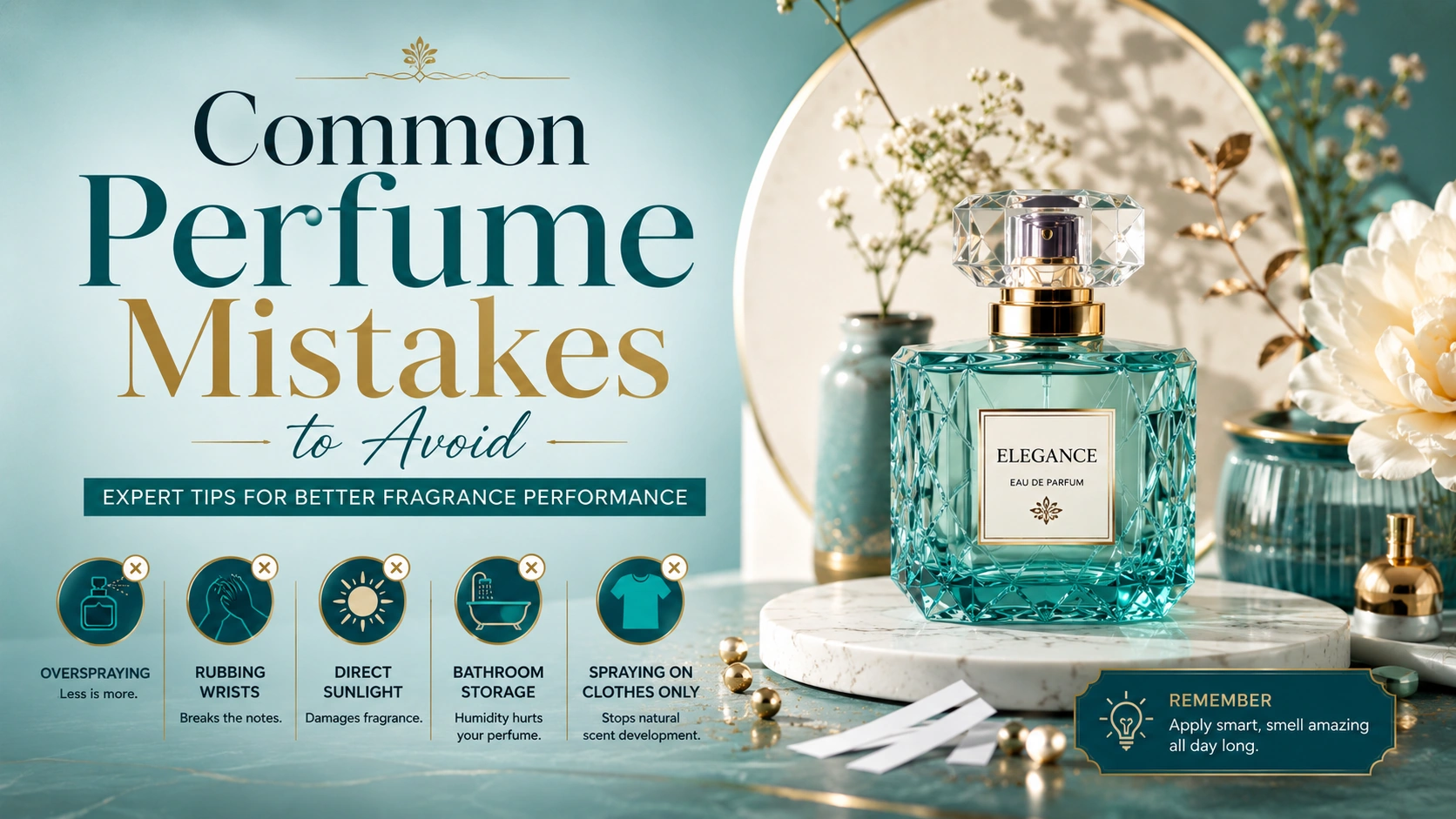
Avoid these common mistakes.
Testing five or six fragrances back-to-back overwhelms your sense of smell.
Instead:
Blotter strips are useful for the first impression, but they don’t reveal how a perfume reacts with your skin.
Always perform the final test on your wrist or inner arm before making a purchase.
This is one of the biggest perfume myths.
Rubbing your wrists creates heat and friction, which can disturb the perfume’s opening and affect how the fragrance develops.
Instead:
The first few minutes reveal only the top notes.
Wait at least 30–60 minutes before deciding whether you like the perfume.
The base notes often determine whether a fragrance is truly worth buying.
Following a structured testing process helps you understand a perfume more accurately.
Begin by spraying the perfume onto a clean paper blotter.
Hold the bottle about 5–7 inches (12–18 cm) away and spray only once.
Wait a few seconds before smelling it. This allows the alcohol to evaporate, revealing the fragrance’s opening notes.
If you dislike the scent on the blotter, there’s no need to test it on your skin.
If the perfume smells promising, spray it directly onto your skin.
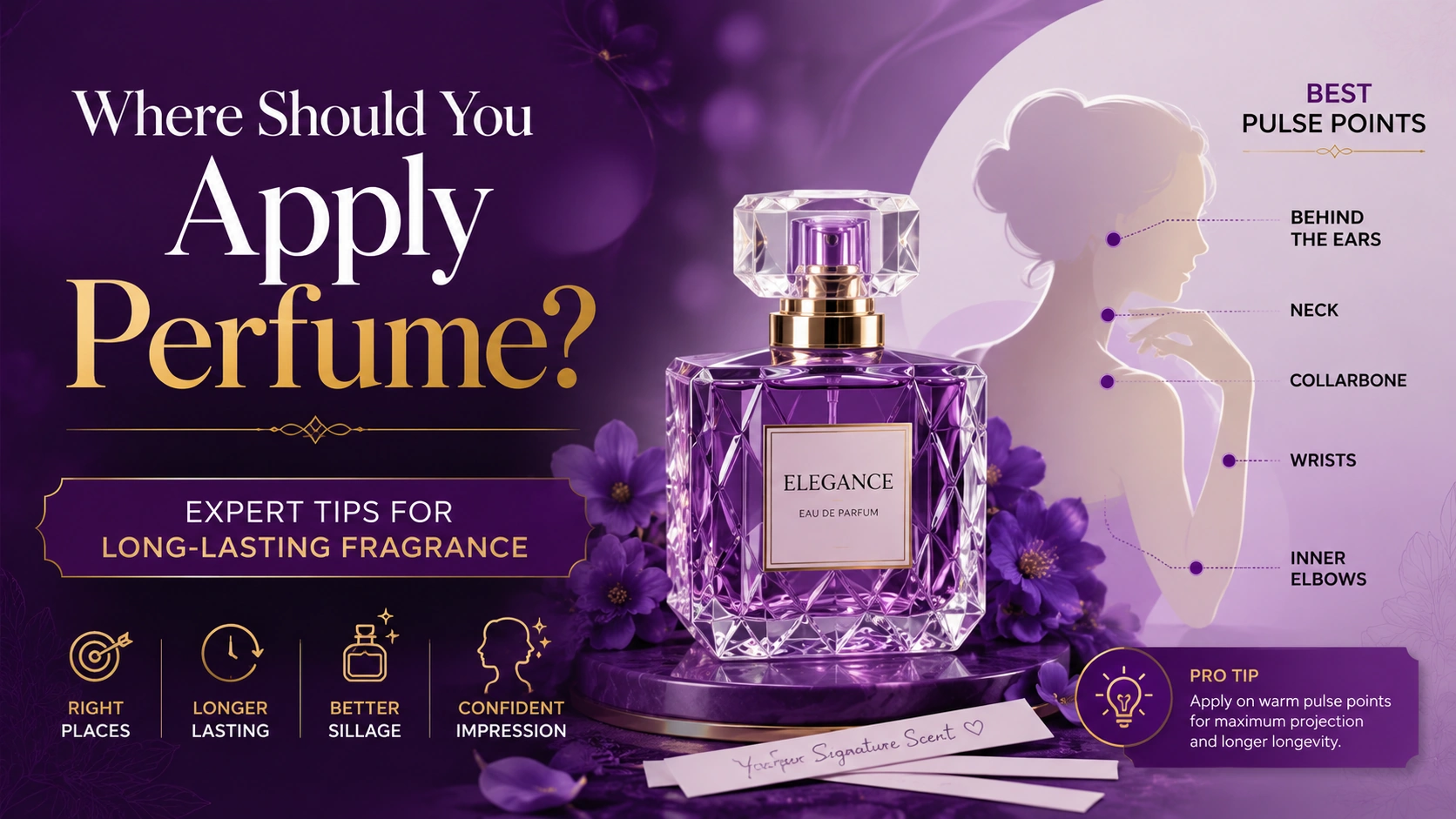
The best testing areas include:
These pulse points generate gentle warmth, allowing the fragrance to develop naturally.
Avoid spraying perfume onto clothing, as fabric changes how a fragrance smells.
After spraying, resist the urge to rub the area.
Instead:
This provides a more accurate impression of the fragrance.
Every quality perfume unfolds in three stages.
These are the first scents you notice.
They usually last between 5 and 20 minutes and often include citrus, herbs, or light fruity notes.
Once the top notes fade, the heart of the fragrance appears.
These notes define the perfume’s personality and typically last several hours.
Common heart notes include:
Base notes appear last and stay on the skin the longest.
Typical base notes include:
These notes create the lasting impression of the fragrance.
A perfume never smells exactly the same on everyone.
Your skin chemistry plays a major role in how a fragrance develops.
People with oily skin often experience:
Dry skin tends to absorb fragrance more quickly.
To improve performance:
Environmental conditions also influence perfume performance.
Warm Weather
Cold Weather
Applying perfume to the right areas helps you evaluate its true performance.
The most popular testing location because it provides natural warmth and is easy to smell throughout the day.
Excellent for testing longevity because the fragrance develops slowly in this area.
Testing on the neck gives you an idea of how others will experience your scent during daily interactions.
Useful when evaluating how a fragrance performs over several hours, especially in cooler weather.
One of the biggest mistakes people make in a perfume store is testing too many fragrances in a single session. While it may seem like a good way to compare different scents, your nose can quickly become overwhelmed, making it difficult to distinguish one fragrance from another.
For the best results, limit yourself to two or three perfumes per visit. This allows you to evaluate each fragrance properly without causing olfactory fatigue.
When you smell several fragrances in a short period, your sense of smell becomes less sensitive. As a result:
Taking your time with fewer perfumes leads to better decisions.
After testing one or two fragrances, give your nose a short break before smelling another perfume.
Try these simple methods:
These techniques help you evaluate each perfume more accurately.
The time of day can influence how you perceive a fragrance.
Morning is generally the ideal time because your sense of smell is usually fresher and less affected by food, pollution, or other fragrances.
Testing in the morning allows you to notice subtle fragrance notes more easily.
Evening testing is useful if you’re looking for a perfume for:
Just avoid testing fragrances after wearing another strong scent.
Never decide within the first few minutes.
A perfume reveals its true personality only after it has interacted with your skin for several hours.
For the most accurate evaluation:
If you still enjoy the fragrance at the end of the day, it’s much more likely to be a good purchase.
Testing isn’t only about liking the scent—it’s also about understanding its performance.
Ask yourself:
A perfume that performs well throughout the day often provides better value.
Projection refers to how far your fragrance travels from your body.
Different situations require different projection levels:
Choose a perfume that matches your lifestyle rather than simply selecting the strongest fragrance.
Professionals rarely rely on the first spray alone. They evaluate a fragrance carefully before making a recommendation.
Applying multiple perfumes to the same area mixes the scents and makes evaluation difficult.
Instead:
Before visiting a perfume store, avoid using:
Neutral skin allows you to experience the perfume as it was intended.
A fragrance can smell different indoors and outdoors.
Walk outside for a few minutes and notice how the scent develops in fresh air. This gives you a more realistic impression of its performance.
Avoiding these mistakes can save both time and money.
A trending fragrance isn’t always the right choice for you.
Choose a perfume that complements your personality and preferences rather than following trends.
Many fragrances have a simple opening but become richer as they develop.
Give every perfume enough time before making your decision.
A perfume should suit the occasions where you’ll wear it most.
For example:
Before purchasing any fragrance, ask yourself these questions:
If the answer to most of these questions is yes, you’ve likely found a fragrance worth buying.
Many perfume buyers have similar questions before purchasing a new fragrance. Here are clear answers to the most common ones.
For the most accurate results, it’s best to test two to four perfumes in one session.
Testing too many fragrances can overwhelm your sense of smell, making it difficult to distinguish between different scents. If you’re visiting a perfume store, focus on a few fragrances that genuinely interest you rather than smelling every bottle on display.
If you’re planning to compare several perfumes, split your testing across different days instead of trying them all at once.
Yes, but it shouldn’t replace testing on your skin.
Clothing can show how a perfume smells on fabric, but it won’t reveal how the fragrance reacts with your natural body chemistry.
Your skin temperature and natural oils affect:
For this reason, always make your final decision after testing the perfume directly on your skin.
Both environments are useful.
Indoor testing allows you to evaluate the fragrance in a controlled setting, while stepping outside helps you experience how the perfume performs in fresh air.
Many fragrances reveal additional notes once they’re exposed to natural airflow and changing temperatures.
No.
Avoid wearing perfume, scented lotion, or heavily fragranced deodorant before visiting a perfume store.
A neutral skin surface gives you the most accurate impression of every fragrance you test.
Absolutely.
Your skin type has a significant impact on how long a fragrance lasts and how it develops.
Benefits include:
Perfume may disappear more quickly on dry skin.
To improve longevity:
Yes.
Temperature and humidity influence fragrance performance.
Fresh fragrances such as citrus, aquatic, and green scents feel lighter and project more in warm weather.
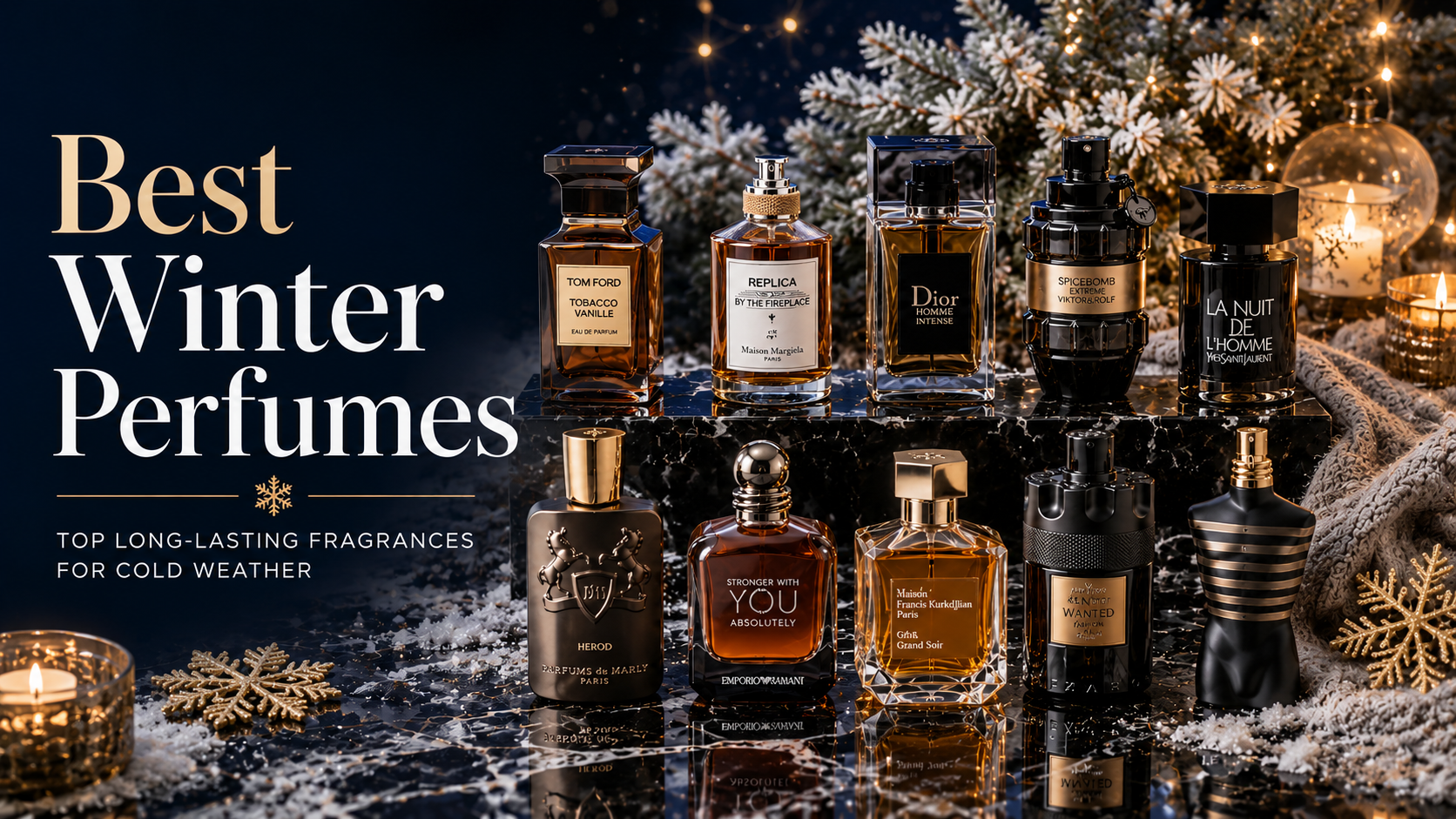
Woody, spicy, amber, and vanilla fragrances generally perform better in colder temperatures because they develop more slowly and feel richer.
Testing perfume is a skill that improves with experience. The more fragrances you explore, the better you’ll understand your personal preferences.
Before buying your next bottle, remember these expert recommendations:
A perfume should be experienced over several hours—not just a few minutes.
If you enjoy woody fragrances, compare woody perfumes with each other instead of switching between completely different scent families.
This makes subtle differences much easier to notice.
If you’re testing multiple perfumes, record:
These notes make it much easier to choose your favorite fragrance later.
Whenever possible, purchase a sample or travel-size bottle before investing in a 100ml bottle.
This reduces the risk of buyer’s remorse and helps you confirm that the fragrance suits your lifestyle.
Knowing how to test perfume correctly can completely change the way you shop for fragrances. Instead of making impulse purchases based on the first spray or attractive packaging, you’ll be able to evaluate each perfume with confidence.
A quality fragrance tells a story as it develops. That’s why patience is essential. Start with a blotter strip, test the perfume on your skin, allow it to dry naturally, and experience its top, heart, and base notes before making a final decision.
By limiting the number of perfumes you test, avoiding common mistakes, and paying attention to longevity and projection, you’ll make smarter buying decisions and find fragrances that truly match your personality.
Whether you’re shopping for your first perfume or searching for a signature scent, proper testing ensures every purchase is worthwhile.
Copyright © 2026 Embroze. All Rights Reserved.