
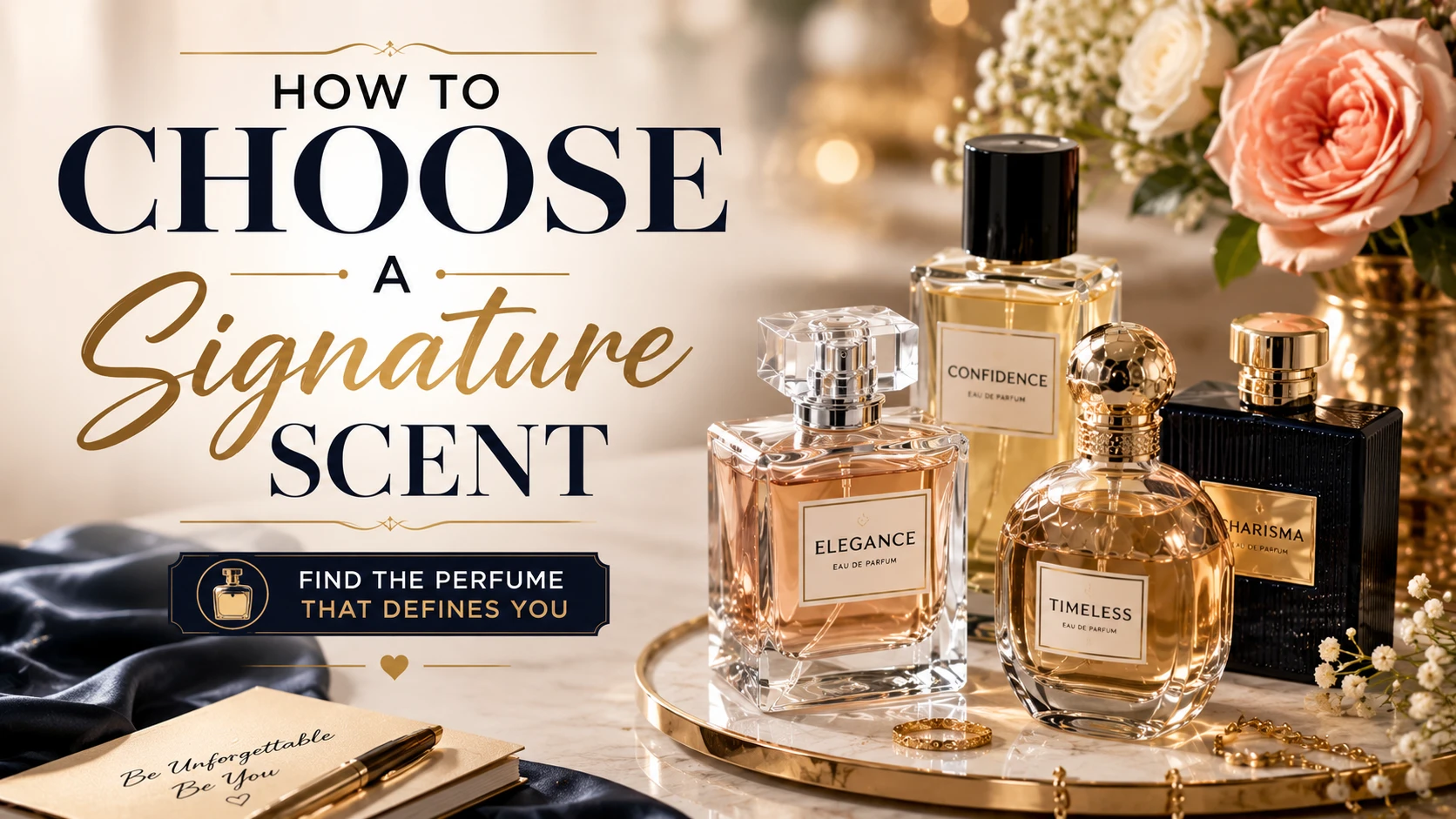
Finding a signature scent is more than buying a bottle of perfume—it’s about discovering a fragrance that becomes part of your identity. The right scent can leave a memorable impression, boost your confidence, and complement your personality in a way that words often cannot.
Unlike following fragrance trends, choosing a signature scent means selecting a perfume you’ll genuinely enjoy wearing for years. Whether you’re heading to work, attending a special event, or simply spending time with friends, a well-chosen fragrance helps create a consistent and recognizable personal style.
In this complete guide, you’ll learn how to choose a signature scent by understanding fragrance families, skin chemistry, perfume concentrations, lifestyle factors, and expert testing methods.
A signature scent is the fragrance that people naturally associate with you. It’s the perfume you reach for most often because it matches your personality, feels comfortable to wear, and works well in your everyday life.
Unlike collecting dozens of perfumes for different moods, a signature scent becomes your personal trademark. It doesn’t have to be expensive or rare—it simply needs to suit you.
Your fragrance says a lot about your style before you even speak. A fresh citrus scent may reflect an energetic personality, while warm woody or amber fragrances often create a sophisticated and confident impression.
A well-chosen perfume can:
Instead of choosing a perfume based only on popularity or social media trends, focus on finding one that feels natural and enjoyable every time you wear it.
Before selecting a perfume, it’s important to understand the different fragrance families. This knowledge makes it much easier to identify the scents you’ll enjoy most.
Floral perfumes are among the most popular choices, especially for everyday wear.
Common Notes
Best For
Fresh fragrances feel clean, bright, and energetic.
Common Notes
Best For
Woody scents offer warmth, depth, and sophistication.
Common Notes
Best For
These fragrances are rich, warm, and luxurious.
Common Notes
Best For
Gourmand perfumes smell delicious thanks to edible-inspired notes.
Common Notes
Best For
One of the biggest mistakes people make is assuming a perfume smells the same on everyone. In reality, your skin chemistry plays a major role in how a fragrance develops.
Dry skin absorbs fragrance oils more quickly, which can make perfumes fade faster.
Tip: Apply an unscented moisturizer before spraying perfume.
Oily skin tends to hold fragrance longer because it retains perfume oils more effectively.
Tip: You may need fewer sprays compared to someone with dry skin.
Heat can increase the intensity and projection of a perfume.
If you live in a hot climate, choose lighter fragrances for daytime and reserve heavier scents for evenings or cooler months.
Your daily routine should influence your choice of fragrance.
Choose clean, fresh, and subtle fragrances that won’t overwhelm coworkers.
Good fragrance styles include:
Students often benefit from versatile, affordable fragrances that work throughout the day.
Look for:
Travelers usually prefer fragrances that work in different climates and occasions.
Choose perfumes that are:
A perfume should fit the situations where you’ll wear it most often.
Choose fragrances that feel comfortable and never become overwhelming.
Clean, elegant fragrances create a polished impression.
Warmer notes like vanilla, amber, and sandalwood add depth and sophistication.
Luxury floral, woody, or oriental fragrances often feel more memorable for weddings, parties, and formal events.
Before buying any perfume, remember these essentials:
These steps will help narrow your options and make it much easier to discover a fragrance that truly feels like your own.
Choosing a signature scent should never be based on smelling a perfume directly from the bottle. A fragrance evolves over time, and the notes you smell in the first few minutes can be very different from those that remain hours later.
Always spray perfume on your wrist or inner elbow instead of testing it only on a paper strip.
Your body chemistry affects:
A perfume that smells amazing on someone else may smell completely different on your skin.
Perfumes change in three stages.
These are the first scents you notice.
They usually last between 10–20 minutes.
Examples:
These appear after the top notes disappear.
They define the personality of the fragrance.
Examples:
These remain the longest and determine how memorable the perfume becomes.
Examples:
Wait at least 30–60 minutes before deciding whether you truly like a perfume.
Your nose becomes tired after smelling several fragrances.
Experts recommend testing no more than three or four perfumes during one shopping trip.
Testing too many fragrances makes it difficult to distinguish individual scent profiles.
Not all perfumes last the same amount of time. One major reason is fragrance concentration.
Oil Concentration: 2–5%
Average Longevity: 2–3 Hours
Best for quick freshness.
Oil Concentration: 5–15%
Average Longevity: 4–6 Hours
Perfect for casual daytime wear.
Oil Concentration: 15–20%
Average Longevity: 6–10 Hours
The best balance between performance and price.
Most signature scents belong to this category.
Oil Concentration: 20–40%
Average Longevity: 10–16+ Hours
The richest and longest-lasting fragrance concentration.
Ideal if you want your signature scent to stay noticeable throughout the day.
Weather affects how a fragrance performs.
Choosing seasonal scents improves both comfort and longevity.
Spring fragrances should feel light, fresh, and uplifting.
Recommended Notes:
Heat makes fragrances smell stronger.
Choose refreshing notes such as:
Avoid heavy oud or sweet gourmand perfumes during very hot weather.
Autumn is ideal for richer fragrances.
Recommended Notes:
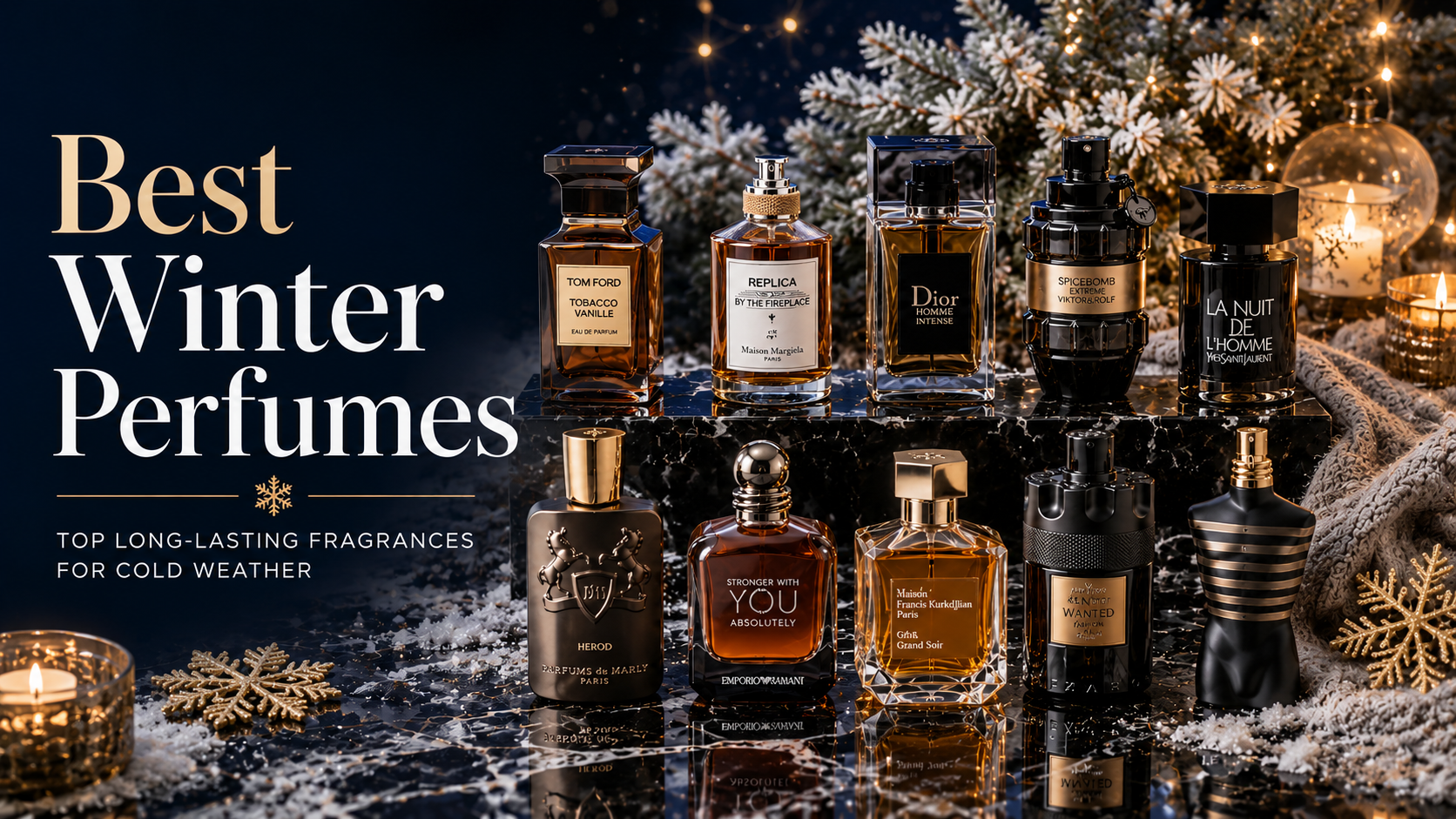
Cold weather allows deep fragrances to shine.
Best Notes:
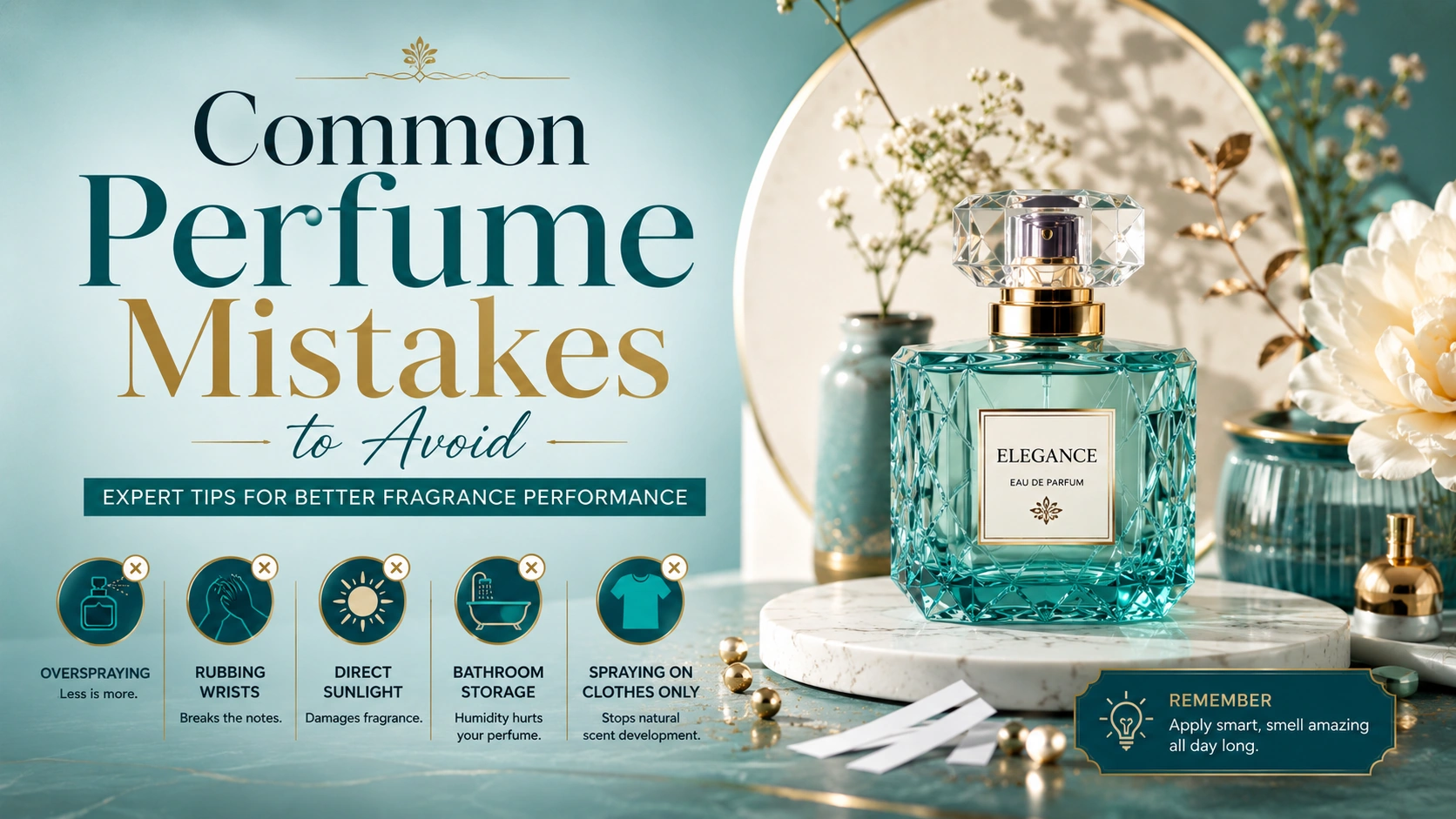
Finding your signature scent becomes much easier when you avoid these common mistakes.
Never purchase a fragrance simply because it’s trending on social media or recommended by influencers.
Always test it on your own skin first.
A famous perfume isn’t automatically the best perfume for you.
Your signature scent should reflect your personality, not current trends.
Your skin type has a significant impact on how a fragrance develops.
Always judge a perfume after wearing it for several hours.
More sprays don’t make a perfume better.
For most fragrances:
A balanced application creates a better impression than an overpowering fragrance.
Heat, humidity, and direct sunlight reduce a perfume’s quality over time.
Store fragrances:
Even the best perfume performs better with the right application technique.
Perfume lasts longer on hydrated skin.
Use an unscented body lotion before applying fragrance.
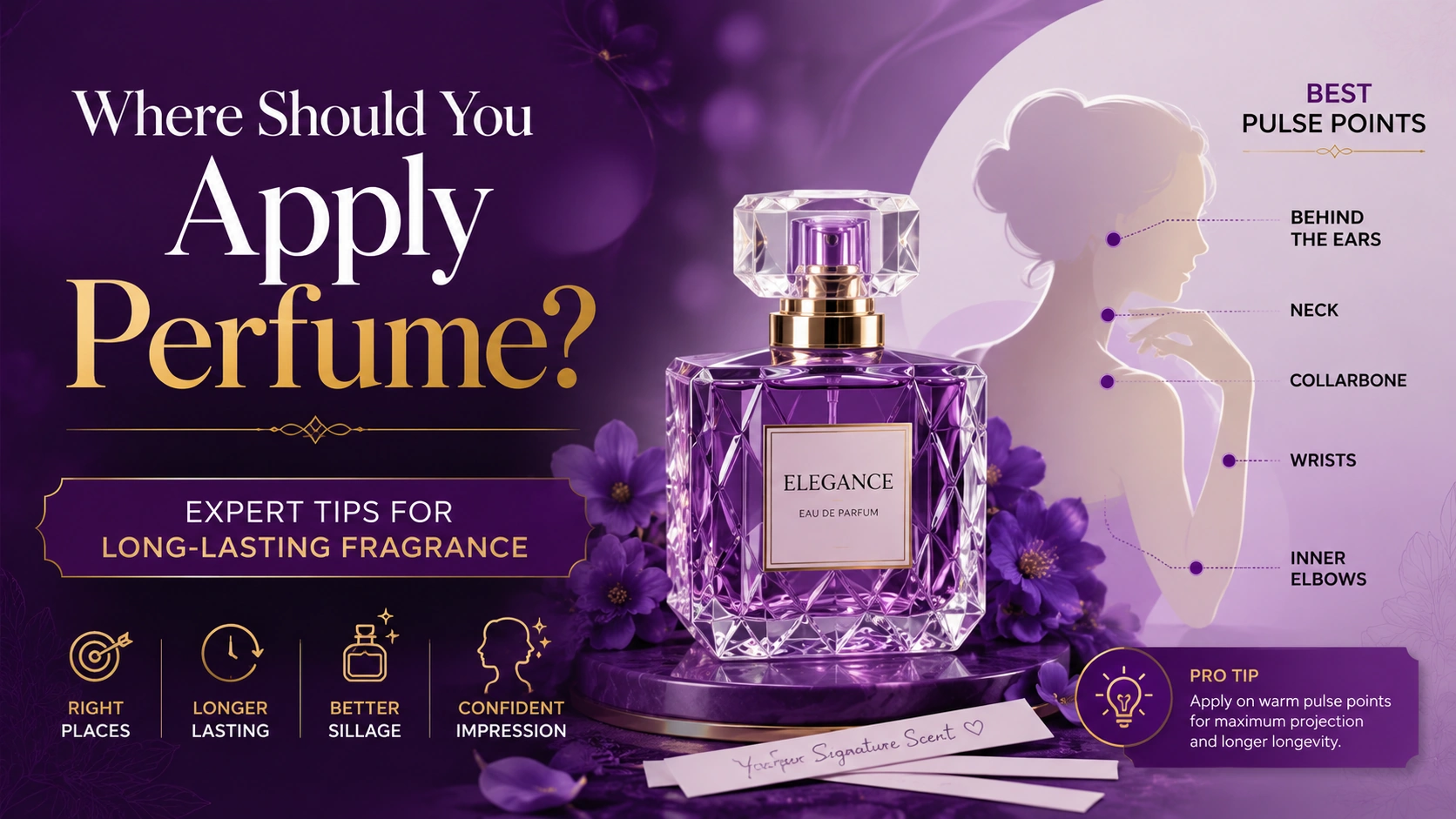
Spray perfume on areas where body heat naturally helps diffuse the fragrance.
Recommended pulse points:
Rubbing breaks down the top notes more quickly.
Instead, allow the perfume to dry naturally.
Some fabrics help fragrances last longer.
However, always test delicate materials first because certain perfumes may leave stains.
Before making your final decision, ask yourself these questions:
If the answer to most of these questions is yes, you’ve likely found a fragrance worth considering as your signature scent.
Choosing a signature scent is a personal journey. While reviews and recommendations can help, the best fragrance is one that suits your personality, lifestyle, and skin chemistry. Before making a purchase, consider these key factors.
Perfumes are available at almost every price point. Decide how much you’re willing to spend before exploring your options.
Remember, a higher price doesn’t always mean a better fragrance for you.
If you want a fragrance that lasts through a full workday, Eau de Parfum (EDP) is usually the best option. Eau de Toilette (EDT) is lighter and ideal for warmer climates or casual daytime use.
Ask yourself:
Your answers will help narrow your choices.
Whenever possible:
Avoid blind buying unless you’re already familiar with the fragrance.
A signature scent is the perfume you wear most often and that people naturally associate with you. It reflects your personality and becomes part of your personal style.
Limit yourself to three or four fragrances. Testing too many at once can make it difficult to distinguish scents accurately.
Yes. Your preferences, lifestyle, age, and even the seasons can influence the fragrances you enjoy. It’s perfectly normal for your signature scent to evolve.
Not necessarily. Many people keep one primary signature scent and a few seasonal alternatives while maintaining a consistent fragrance style.
For most perfumes:
Always apply lightly in shared spaces.
Apply perfume to pulse points such as:
These areas help the fragrance develop naturally.
This depends on the fragrance concentration, your skin chemistry, and the environment.
Finding your signature scent isn’t about following trends—it’s about discovering a fragrance that feels authentic every time you wear it.
Take your time to explore different fragrance families, understand how perfumes react with your skin, and think about your daily lifestyle before making a decision. A well-chosen signature scent can boost your confidence, create lasting memories, and become an important part of your identity.
Whether you prefer fresh citrus fragrances, elegant florals, sophisticated woody scents, or warm amber compositions, the perfect perfume is one that makes you feel comfortable and confident every day.
Rather than owning dozens of fragrances you rarely wear, focus on finding one that truly represents you. Test carefully, wear it in different situations, and let your signature scent become something people remember long after you’ve left the room.
A signature scent is more than a pleasant fragrance—it’s part of your personal identity. Invest time in choosing wisely, and you’ll enjoy a perfume that complements your style, leaves a memorable impression, and stays with you for years to come.
Copyright © 2026 Embroze. All Rights Reserved.