
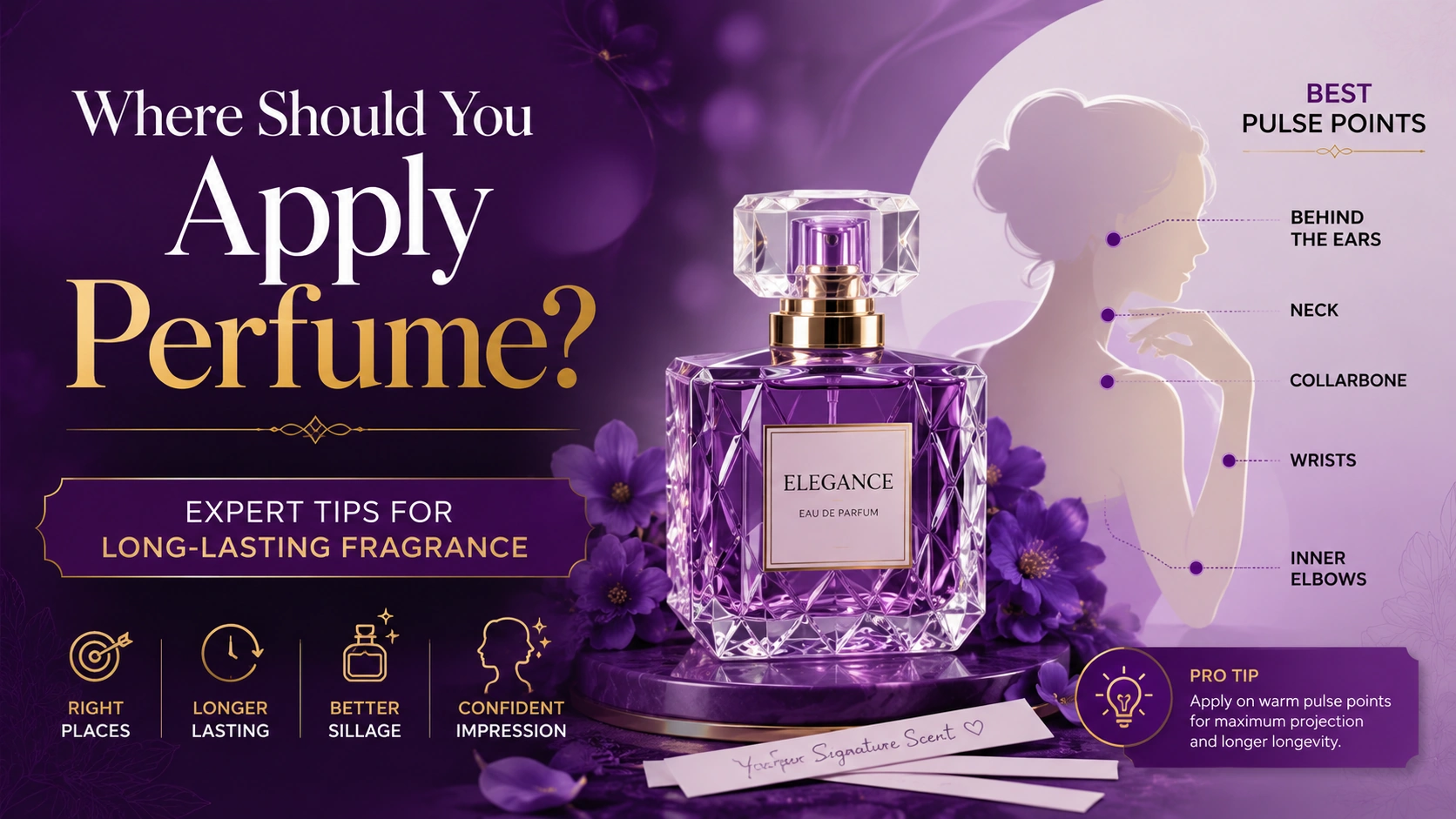
Learn where to apply perfume for maximum longevity and projection. Discover the best pulse points, expert fragrance tips, and common mistakes to avoid for a long-lasting scent.
Applying perfume correctly is just as important as choosing the right fragrance. Even an expensive luxury perfume won’t perform at its best if it’s sprayed on the wrong areas of your body. Many people believe that simply spraying perfume anywhere on their skin is enough, but fragrance experts know that the placement of your perfume can dramatically affect its longevity, projection, and overall scent experience.
If you’ve ever wondered where should you apply perfume to make it last longer, smell better, and leave a lasting impression, this guide will walk you through everything you need to know. From understanding pulse points to avoiding common application mistakes, you’ll learn how professionals apply perfume for the best results.
Perfume is designed to react with your body heat. As your skin naturally warms throughout the day, the fragrance slowly evaporates, revealing its different layers. This gradual process allows you to enjoy the fresh top notes, rich heart notes, and deep base notes exactly as the perfumer intended.
Applying perfume to the correct areas offers several benefits:
The goal isn’t to wear more perfume—it’s to wear it more effectively.
Pulse points are areas where blood vessels are closer to the surface of your skin. These spots generate more warmth than other parts of the body, helping perfume evaporate gradually instead of disappearing too quickly.
Because of this natural heat, pulse points are considered the best places to apply perfume if you want maximum performance.
Common pulse points include:
These locations allow your fragrance to unfold naturally throughout the day.
The wrists are one of the most popular places to apply perfume, and for good reason. They remain warm throughout the day and are easy to access whenever you want to enjoy your fragrance.
Spray one light mist onto each wrist and allow it to dry naturally.
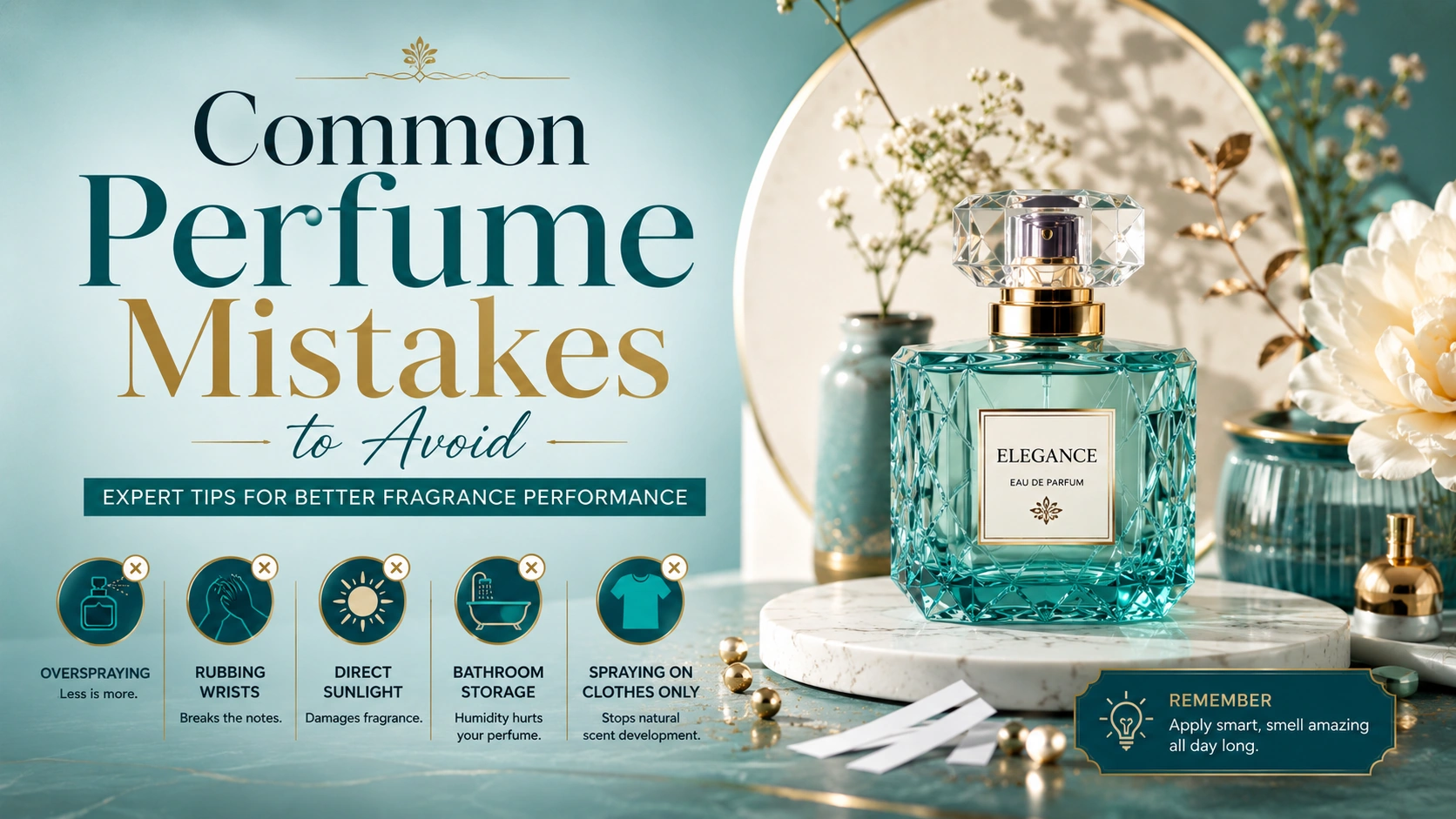
One of the biggest fragrance myths is rubbing your wrists together after spraying perfume.
Although many people do this automatically, the friction creates heat that can disturb the delicate top notes and alter the fragrance’s natural development.
Instead, let the perfume dry on its own for the best results.
Behind the ears is another excellent pulse point because it stays warm while remaining close to your face.
This location creates a soft scent cloud that people notice during conversations or hugs.
It’s especially effective for:
A single spray is usually enough.
The sides of your neck provide one of the best areas for fragrance projection.
As your body temperature rises, the scent naturally moves upward, creating an elegant fragrance trail without becoming overwhelming.
This makes the neck an excellent choice for:
Avoid spraying directly on irritated or freshly shaved skin.
The collarbone is often overlooked, but it’s one of the most elegant places to apply perfume.
When wearing open-neck clothing, this area gently releases fragrance as you move throughout the day.
It works particularly well with floral, woody, and oriental perfumes.
The inside of your elbows generates steady warmth, making it another ideal pulse point.
This area is perfect when:
Because this part of your arm bends naturally, the fragrance continues to release slowly over time.
Many people prefer spraying perfume directly onto clothing because fragrances often last longer on fabric than on skin.
While this method has advantages, it shouldn’t completely replace skin application.
Perfume on fabric often stays noticeable for an entire day and can even remain on scarves, jackets, and coats for several days.
It’s also less affected by your individual skin chemistry.
Some perfumes contain ingredients that may stain silk, satin, or light-colored fabrics.
Clothing also doesn’t generate body heat, meaning the fragrance won’t develop through its top, heart, and base notes as intended.
For the best experience, apply perfume to your skin first and lightly mist clothing only when appropriate.
Small mistakes can significantly reduce a fragrance’s performance.
Avoid these common habits:
More sprays don’t always mean better performance. Excessive application can overwhelm both you and those around you.
While perfume lasts longer on fabric, relying only on clothing prevents the fragrance from developing naturally.
Dry skin absorbs fragrance more quickly, reducing longevity.
Using an unscented moisturizer before applying perfume helps lock in the scent for longer.
Heavy perspiration can dilute fragrance and reduce its effectiveness.
For the best results, apply perfume after showering and drying your skin completely.
Knowing where not to apply perfume is just as important as knowing the best pulse points. Certain areas of your body can reduce fragrance performance, irritate your skin, or even damage your hair and clothing.
Avoiding these common mistakes helps your perfume smell better, last longer, and keeps your skin healthy.
Your face is one of the most sensitive parts of your body. Perfumes contain alcohol and fragrance oils that can irritate your skin and eyes.
Spraying perfume directly onto your face may cause:
Instead, apply perfume to nearby pulse points such as your neck or behind your ears.
If you have cuts, rashes, sunburn, or freshly shaved skin, avoid spraying perfume on those areas.
The alcohol in perfume can cause:
Always wait until your skin has fully recovered before applying fragrance.
This is one of the most frequently asked fragrance questions.
The answer is yes—but carefully.
Hair holds fragrance exceptionally well because it traps scent molecules for longer than skin.
However, spraying regular perfume directly onto your hair every day isn’t recommended because the alcohol can dry it out.
For a safer option:
This allows your hair to carry the fragrance without excessive exposure to alcohol.
More perfume doesn’t always mean better performance.
The ideal number of sprays depends on the fragrance concentration, the occasion, and the weather.
Since Eau de Toilette contains a lower concentration of fragrance oils, you’ll usually need:
This provides good projection without being overpowering.
Eau de Parfum is richer and lasts longer.
For most situations:
are enough for all-day wear.
These highly concentrated fragrances are extremely powerful.
Usually:
are sufficient.
Applying more may become overwhelming, especially indoors.
Absolutely.
Temperature plays a significant role in fragrance performance.
In hot weather, body heat increases fragrance projection.
Instead of spraying heavily on your neck, consider applying perfume to:
These areas release fragrance more gradually.
Choose lighter fragrances such as:
Cold weather slows fragrance evaporation.
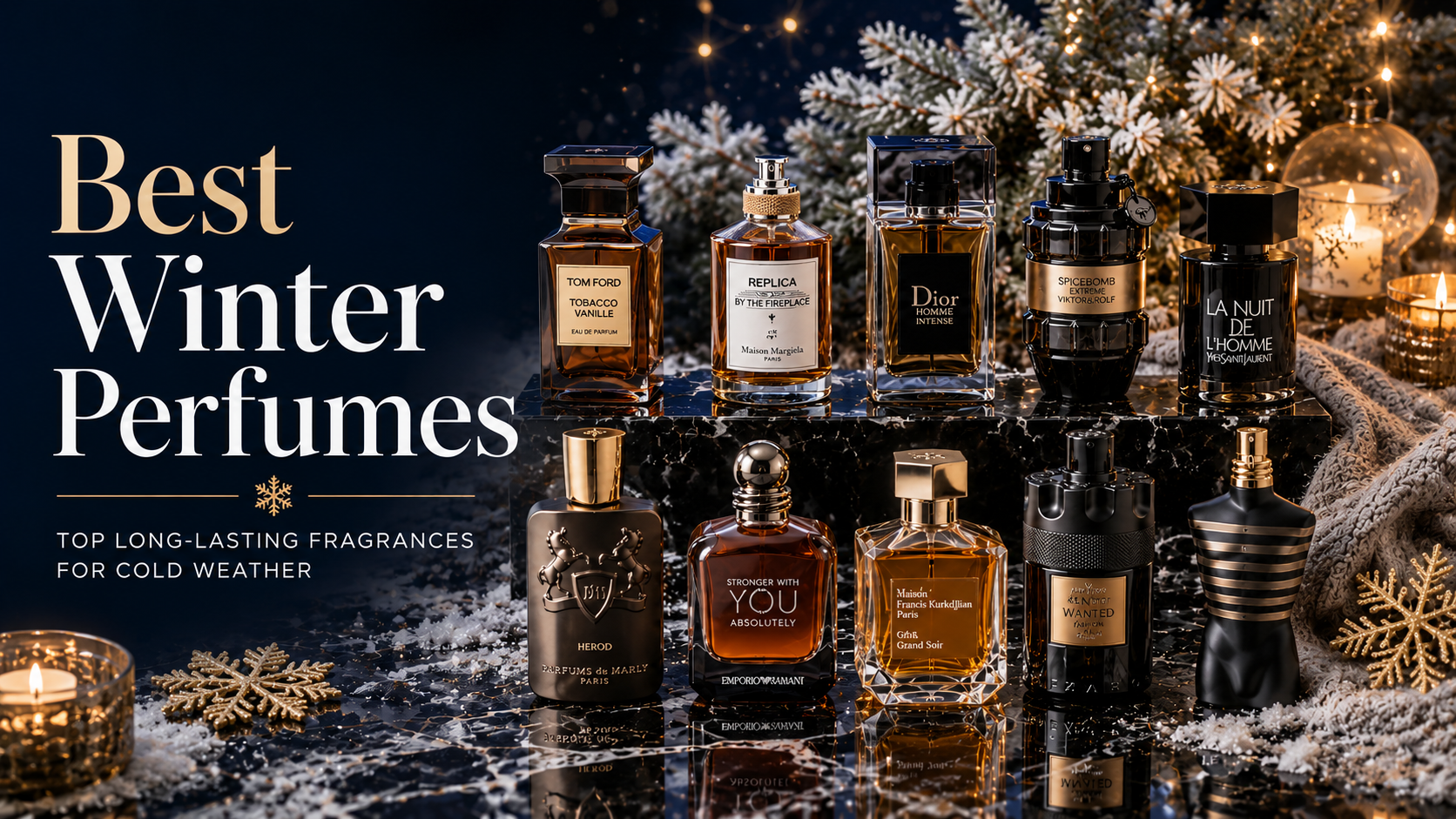
This makes richer perfumes perform beautifully.
Ideal application points include:
Winter fragrances often feature:
Many people ask whether perfume should be applied to skin or clothing.
The truth is that both have advantages.
Applying perfume directly to your skin allows the fragrance to interact with your body chemistry.
Benefits include:
Clothing can retain fragrance much longer.
Advantages include:
However, delicate fabrics like silk or satin may stain if perfume is sprayed directly on them.
For the best overall performance:
This combination provides both excellent projection and long-lasting performance.
Luxury fragrance enthusiasts often use a technique called fragrance layering.
Layering means using products from the same fragrance line to increase longevity.
A simple layering routine includes:
This technique creates a richer, longer-lasting scent without overapplying perfume.
Fragrance experts follow a few simple habits to maximize performance.
Hydrated skin holds fragrance much better than dry skin.
An unscented moisturizer creates a smooth base that helps perfume last longer.
Heat, sunlight, and humidity can damage perfume over time.
Store your fragrances:
Proper storage helps preserve the fragrance’s quality.
Instead of continuously spraying throughout the day, wait until the fragrance has genuinely faded.
Carrying a travel-size bottle is a convenient way to refresh your scent without overusing it.
Applying perfume correctly may seem simple, but many people still have questions about the best techniques, the right number of sprays, and how to make a fragrance last longer. Here are the answers to the most frequently asked questions.
Men should apply perfume to their pulse points, where body heat helps the fragrance develop naturally.
The best areas include:
For business or office environments, 2–3 sprays are usually enough. For evening events or outdoor occasions, you can add one extra spray if needed.
Women can use the same pulse points as men, but many also like applying perfume to their:
These areas create a soft, elegant scent trail throughout the day.
Yes.
Daily perfume use is completely safe when applied correctly.
However, avoid:
Choosing the right amount keeps the fragrance pleasant rather than overwhelming.
Longevity depends on the perfume concentration, skin type, weather, and application method.
Typical performance:
| Perfume Type | Average Longevity |
|---|---|
| Eau de Cologne | 2–3 Hours |
| Eau de Toilette | 4–6 Hours |
| Eau de Parfum | 6–10 Hours |
| Parfum / Extrait | 8–12+ Hours |
Applying perfume to moisturized pulse points usually increases longevity.
Absolutely.
The best time to apply perfume is immediately after showering when:
This helps the fragrance adhere better and last longer throughout the day.
Reapplication depends on the fragrance you’re wearing.
Fresh citrus fragrances usually fade sooner and may require another spray after several hours.
Rich Eau de Parfum or Parfum concentrations often don’t need reapplication.
If you do reapply, use only one or two sprays rather than starting over.
Before leaving home, quickly go through this checklist:
✅ Skin is clean and dry.
✅ Apply an unscented moisturizer.
✅ Spray perfume on pulse points.
✅ Avoid rubbing your wrists.
✅ Use the correct number of sprays.
✅ Let the fragrance dry naturally.
✅ Store your perfume properly.
✅ Reapply only if necessary.
Following these simple habits will noticeably improve the way your perfume performs.
Professional fragrance consultants often recommend a few additional techniques that make a significant difference.
Different situations require different fragrance strengths.
Office
Choose light, clean fragrances with moderate projection.
Casual Outings
Fresh citrus, aquatic, and floral fragrances work beautifully.
Evening Events
Woody, amber, leather, vanilla, and oriental fragrances provide a richer scent experience.
Spraying perfume before putting on clothing reduces the risk of staining delicate fabrics.
It also allows the fragrance to settle naturally onto your skin before coming into contact with clothing.
One of the biggest misconceptions is that more perfume means a better fragrance.
In reality, an elegant fragrance should be noticed only when someone is reasonably close—not from across the room.
Quality perfumes are designed to create a refined scent trail rather than overpower the environment.
Knowing where to apply perfume is one of the easiest ways to improve your fragrance experience.
By applying perfume to warm pulse points such as the wrists, neck, behind the ears, collarbone, and inner elbows, you’ll enjoy better longevity, smoother fragrance development, and more balanced projection.
Avoid common mistakes like rubbing your wrists, overspraying, or applying fragrance only to clothing. Instead, let the perfume interact naturally with your skin and body heat.
A few small changes in your application technique can make even your favorite everyday perfume smell more luxurious and last much longer.
The secret to wearing perfume isn’t owning the most expensive fragrance—it’s knowing how to apply it correctly.
Whether you’re a beginner buying your first bottle or a fragrance enthusiast building a collection, proper perfume placement helps every scent perform at its full potential.
Experiment with different pulse points, pay attention to how your skin reacts, and remember that less is often more. When applied correctly, your perfume becomes an extension of your personality, leaving a memorable impression wherever you go.
With the right technique, every spray delivers the elegant, long-lasting fragrance experience it was designed to provide.
Copyright © 2026 Embroze. All Rights Reserved.