
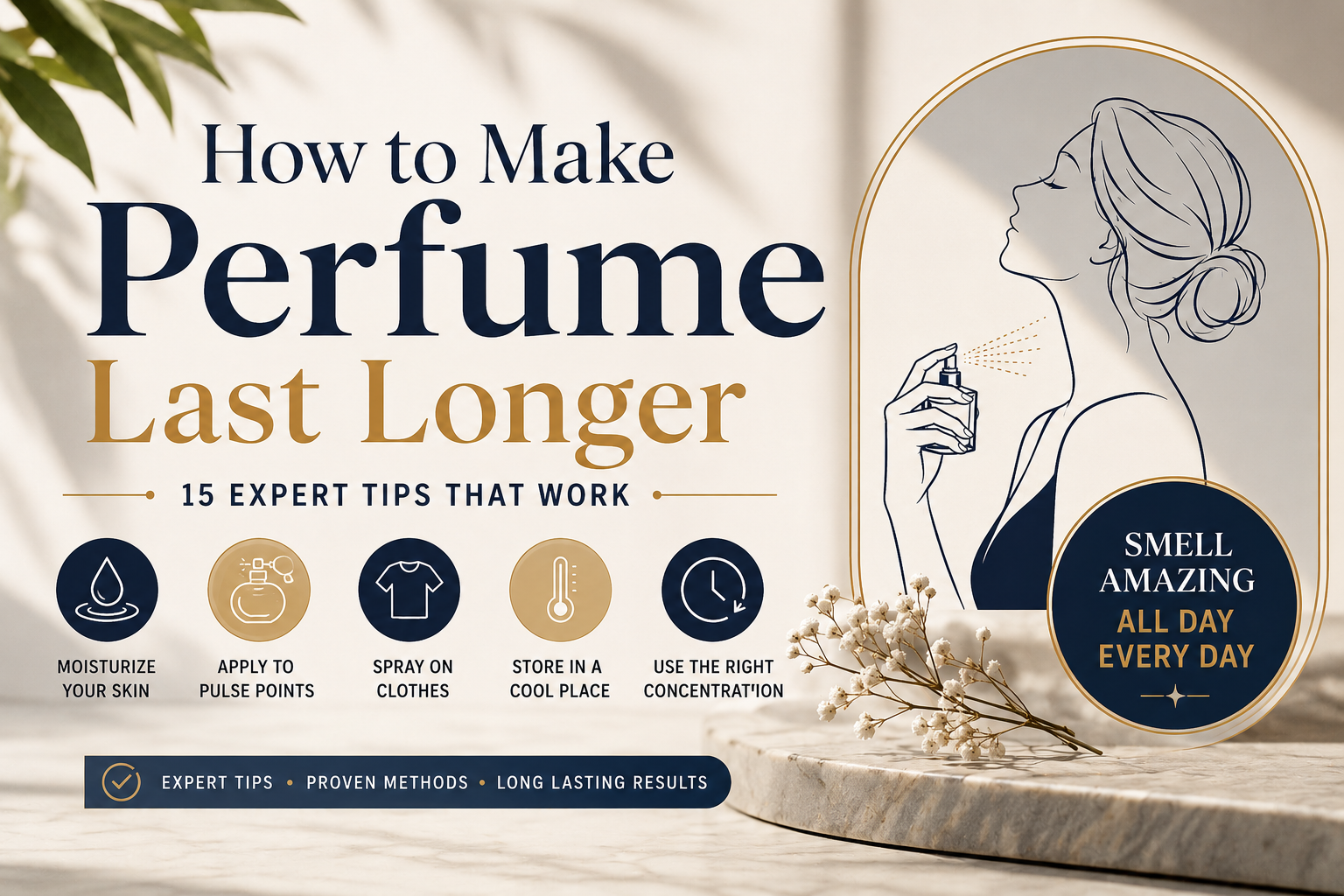
Discover how to make perfume last longer with expert fragrance tips. Learn the best application methods, storage techniques, and mistakes to avoid.
Have you ever sprayed your favorite perfume in the morning only to notice that the scent has almost disappeared by lunchtime? You’re not alone. One of the most common questions fragrance lovers ask is how to make perfume last longer.
Many people assume their perfume is low quality when it fades quickly, but that’s not always the case. The longevity of a fragrance depends on several factors, including how you apply it, your skin type, the perfume concentration, weather conditions, and even where you store the bottle.
Whether you wear a fresh marine fragrance for work, a woody scent for evenings, or a luxury perfume for special occasions, a few simple techniques can help your fragrance stay noticeable for much longer.
In this complete guide, you’ll discover 15 expert-backed tips to improve perfume longevity, avoid common mistakes, and enjoy your favorite scent throughout the day.
Before learning how to make a fragrance last longer, it’s important to understand why perfumes fade.
Several factors influence perfume performance, including:
For example, citrus-based perfumes naturally evaporate faster than woody or amber fragrances because of their lighter composition.
Similarly, an Eau de Toilette (EDT) usually won’t last as long as an Eau de Parfum (EDP) because it contains a lower concentration of fragrance oils.
Understanding these factors helps you set realistic expectations and choose the right techniques to maximize longevity.
Not every fragrance is designed to last the same amount of time. A perfume’s performance depends on several elements working together.
The concentration of perfume oils has one of the biggest impacts on longevity.
Higher concentrations generally last longer, but ingredients and formulation also play an important role.
The best time to apply perfume is immediately after a shower.
Clean skin is free from sweat, dirt, and excess oil, allowing the fragrance to develop more effectively.
Lightly towel-dry your skin before applying perfume for the best results.
Dry skin absorbs fragrance quickly, causing it to fade faster.
Applying an unscented moisturizer or body lotion before spraying perfume helps lock in the fragrance.
Hydrated skin provides a better surface for perfume molecules to cling to, improving longevity.
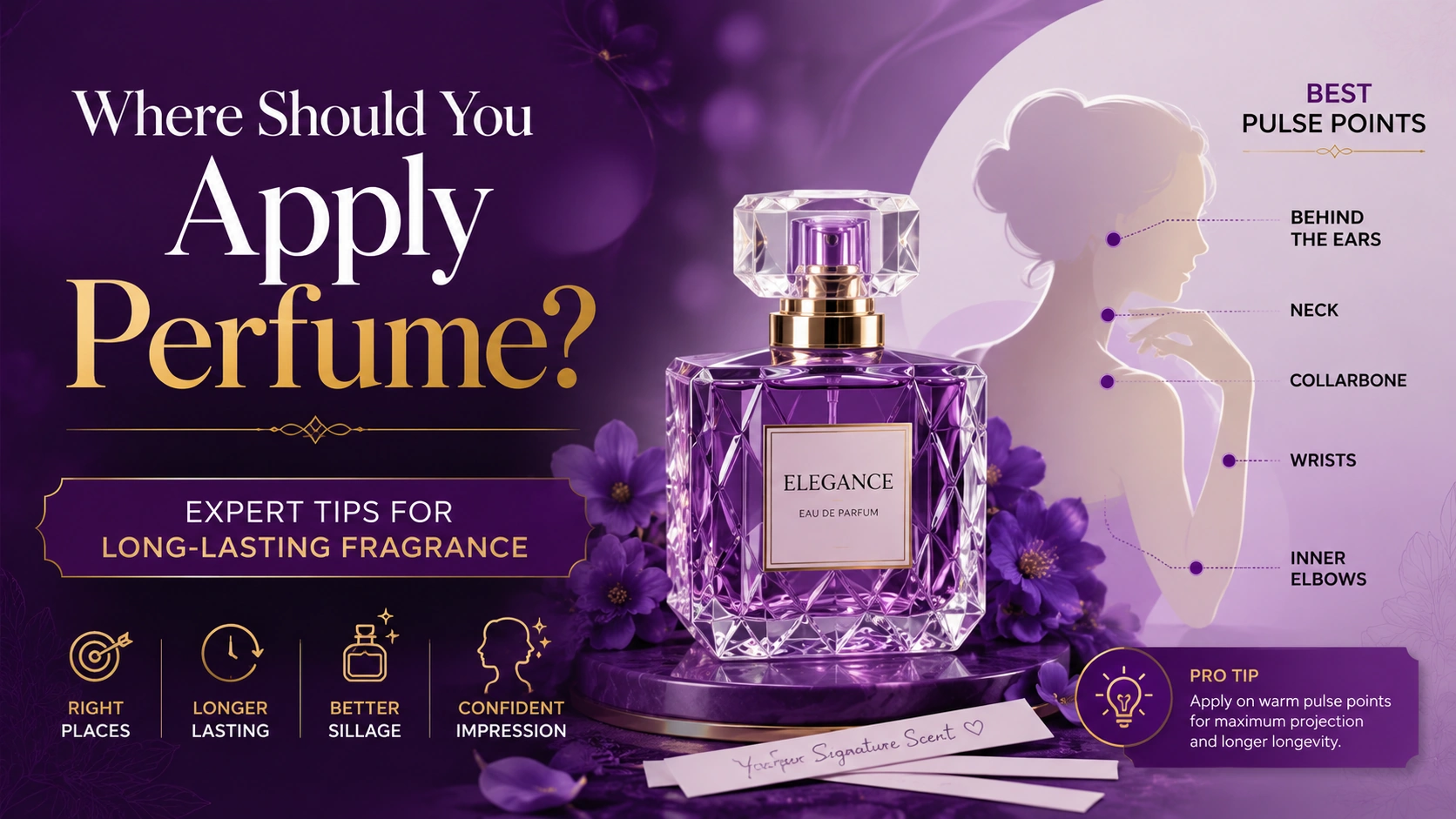
Pulse points generate more body heat, helping your fragrance diffuse naturally throughout the day.
The best pulse points include:
Applying perfume to these areas enhances both projection and longevity.
One of the most common perfume myths is rubbing your wrists together after spraying fragrance.
Many people believe this helps the perfume absorb better, but it actually does the opposite.
Rubbing creates friction and heat, which can cause the delicate top notes to evaporate more quickly. This changes the fragrance’s natural development and may reduce its overall longevity.
Simply spray the perfume onto your wrists and let it dry naturally.
This allows the fragrance to evolve exactly as the perfumer intended.
Fabric usually holds fragrance longer than skin because it doesn’t produce natural oils.
A light spray on clothing can help your scent last throughout the day.
However, be careful.
Some perfumes contain oils or colorants that may stain delicate fabrics such as:
Always test on a hidden area first.
For dark cotton shirts, jackets, and scarves, perfume usually performs very well.
Hair retains fragrance extremely well because its fibers hold scent molecules for longer than skin.
Instead of spraying directly onto your hair, spray:
Some perfumes contain alcohol, which may dry out your hair if used excessively.
If available, use a dedicated hair perfume.
One of the biggest secrets luxury fragrance brands use is fragrance layering.
Layering means using multiple products with the same or complementary scent profile.
For example:
This creates several layers that help the fragrance last much longer.
Layering doesn’t mean using several different perfumes at once—it means building the scent gradually.
How you store your perfume has a huge impact on its quality and longevity.
Heat, humidity, and direct sunlight slowly break down fragrance ingredients.
✔ A cool place
✔ A dry environment
✔ A drawer or cupboard
✔ Its original box
Avoid keeping perfumes:
❌ Near windows
❌ In direct sunlight
❌ Inside a hot car
❌ Close to heaters
Proper storage helps preserve your fragrance for years.
Not every perfume is designed to last all day.
Understanding fragrance concentrations helps you set realistic expectations.
If your priority is all-day performance, EDP or Parfum may be a better choice than EDT.
Weather affects fragrance performance more than many people realize.
During hot weather, perfumes evaporate faster.
Choose:
These feel refreshing and are less likely to become overwhelming.
Cold temperatures reduce fragrance projection.
This allows richer perfumes to perform beautifully.
Choose:
These fragrance families naturally last longer in cooler weather.
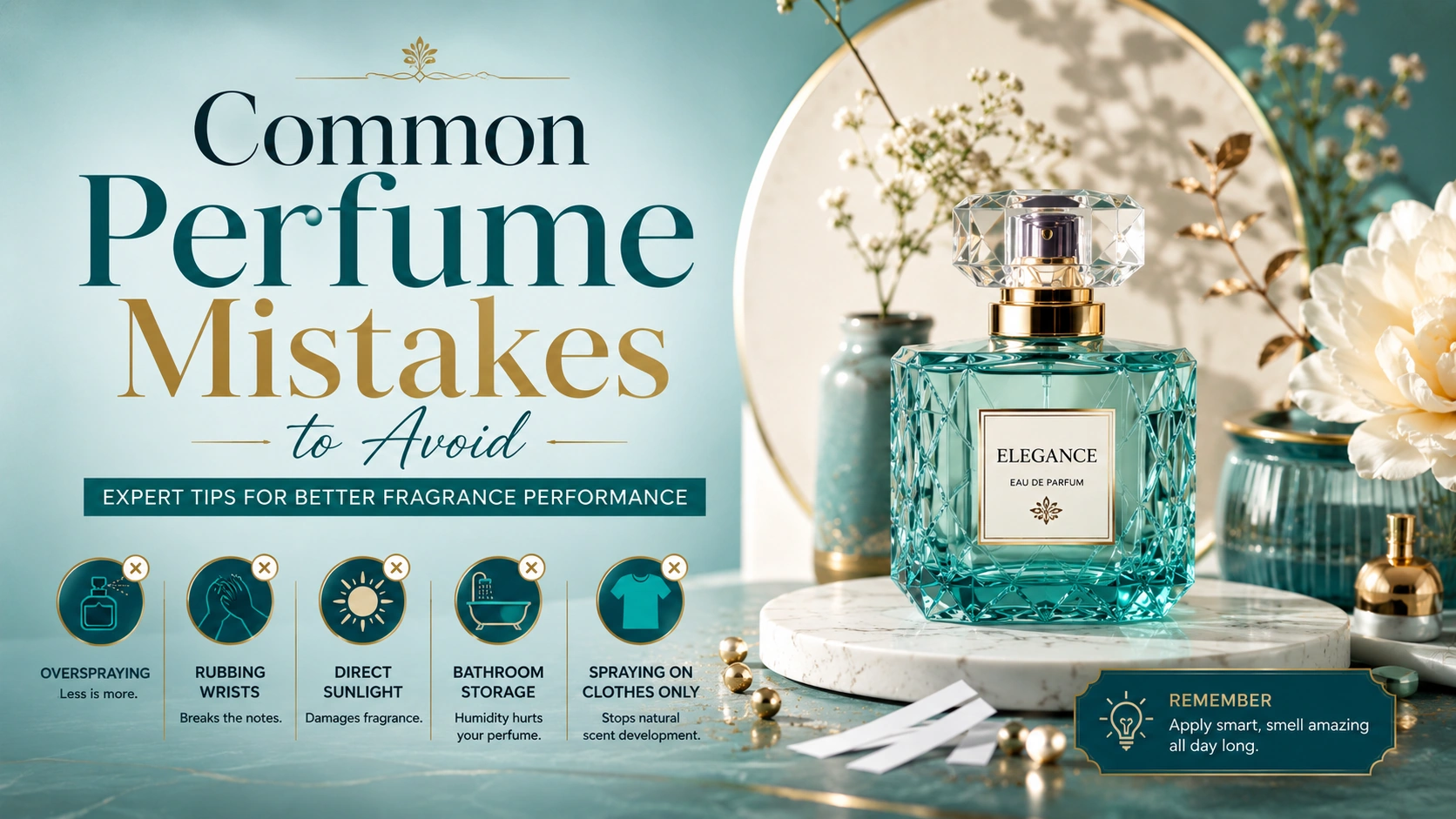
Many people unknowingly reduce their fragrance performance by making simple mistakes.
Avoid these common habits:
❌ Spraying perfume onto dirty skin
❌ Applying perfume before your skin is moisturized
❌ Rubbing your wrists together
❌ Storing perfume in the bathroom
❌ Leaving bottles in direct sunlight
❌ Using too many sprays of a strong perfume
❌ Buying only based on popularity instead of performance
Correcting these mistakes can make a noticeable difference in how long your fragrance lasts.
If you want your fragrance to perform like it does in luxury perfume boutiques, follow this simple routine:
This routine helps maximize both longevity and scent projection.
Yes. Your skin type plays an important role in how long a fragrance lasts.
Oily skin tends to hold fragrance longer because natural oils help perfume molecules stay on the surface.
Dry skin absorbs fragrance more quickly, causing it to fade faster.
If you have dry skin, moisturizing before applying perfume can significantly improve longevity.
Not all perfumes are designed to last the same amount of time. Besides concentration, the ingredients used in a fragrance also play a major role in longevity.
Some fragrance notes naturally evaporate faster, while others stay on the skin for many hours.
If you want a fragrance that lasts throughout the day, look for perfumes containing these base notes:
These ingredients are heavier than fresh citrus notes and usually remain noticeable much longer.
Fresh fragrances containing:
usually create an amazing first impression but naturally fade more quickly.
This is completely normal and does not mean the perfume is poor quality.
One of the biggest misconceptions is that an expensive perfume always lasts longer.
The truth is more nuanced.
A higher price may reflect:
However, longevity depends on factors such as:
A well-made Eau de Parfum from a smaller brand can easily outperform a poorly formulated luxury fragrance.
Instead of buying based only on price, pay attention to the fragrance family, concentration, and reviews.
If your main goal is maximum longevity, understanding perfume concentration is essential.
| Feature | EDT | EDP |
|---|---|---|
| Oil Concentration | 5–15% | 15–20% |
| Average Longevity | 3–6 Hours | 6–10+ Hours |
| Projection | Light–Moderate | Moderate–Strong |
| Best For | Daily Wear | Long Events |
| Climate | Warm Weather | Cooler Weather |
Generally, EDP lasts longer than EDT, but performance also depends on the fragrance formula and how it’s applied.
For many people, having both an EDT and an EDP in their collection offers the best flexibility.
Dry skin is one of the biggest reasons. Moisturizing before applying perfume can help improve longevity.
Yes, but only on fabrics that are unlikely to stain. Always test on a hidden area first.
Most fragrances perform well with 3–5 sprays.
Stronger Eau de Parfum fragrances often require fewer sprays than Eau de Toilette.
Yes.
Most perfumes remain in excellent condition for 3–5 years when stored properly in a cool, dark place.
No.
Bathrooms experience frequent temperature and humidity changes, which can reduce fragrance quality over time.
Absolutely.
If you’re wearing an EDT, reapplying once during the afternoon is perfectly normal.
Yes.
Hydrated skin helps fragrance molecules stay on the surface for a longer period, improving both longevity and overall performance.
Knowing how to make perfume last longer isn’t about using more sprays—it’s about using the right techniques.
Simple habits such as moisturizing your skin, applying perfume to pulse points, storing bottles correctly, and choosing the right fragrance concentration can dramatically improve how long your favorite scent lasts.
Remember that every perfume is unique. Fresh citrus fragrances naturally fade faster than woody or amber perfumes, and that’s part of their design. Instead of chasing unrealistic longevity, focus on selecting a fragrance that suits your lifestyle, climate, and personal preferences.
With the right application method and a quality fragrance, you can enjoy a scent that stays with you from morning to evening.
A great fragrance deserves to perform at its best. By understanding the factors that affect perfume longevity and following the expert tips in this guide, you’ll get more value from every bottle you own.
Whether you wear a fresh fragrance for work, a woody scent for special occasions, or a marine-inspired perfume every day, these practical techniques will help you smell great for longer and make every spray count.
Copyright © 2026 Embroze. All Rights Reserved.